Article content
In briefShow moreShow lessCustomer Insights let participants choose sessions and gave organisers demand data.
- Customer Insights let participants choose sessions and gave organisers demand data.
- Gartner found higher expectations for first-party service as customers used external AI tools to solve problems.
- A connected process had to retain intent and history when self-service moved to sales, service or field work.
Registration became more detailed
The December Customer Insights – Journeys update introduced session-based registration. Participants could choose programme sessions, while organisers gained information about interest and capacity. Marketing was connected to a concrete delivery: registration data needed to inform planning, communication and relevant follow-up rather than merely count registered people.
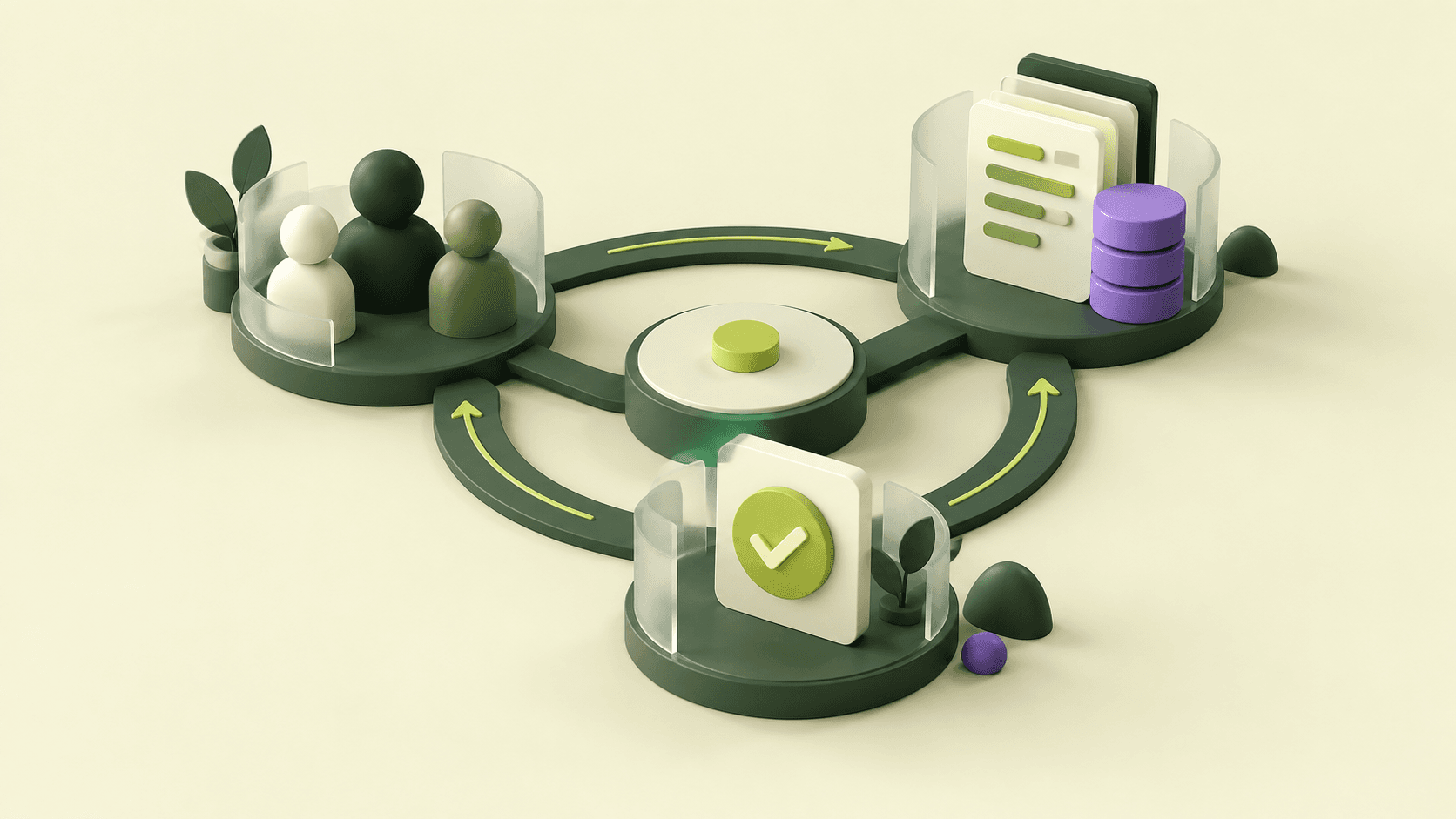
When a participant asked a question, requested a meeting or reported a practical need, the enquiry had to reach the right team. Sales needed the context behind the interest, customer service needed the history, and operational staff needed agreed requirements. Automation created value when this handover retained purpose and consent.
Session data also provided a more precise basis for follow-up than a general registration. A participant choosing a technical track could receive different content from one choosing a leadership theme. Segmentation still had to reflect what the participant had actually selected, and new purposes for the data needed assessment before automated journeys were expanded.
External AI changed service expectations
Gartner published a forecast on 16 December that more customers would use unofficial AI tools to solve service problems. In its underlying survey, 84 percent of 187 service leaders said expectations were higher than before. Gartner recommended reducing friction in first-party channels and using first-party customer data to provide more relevant help.
The forecast was not an observed outcome and could not support a promised automation benefit. It nevertheless suggested a new benchmark: customers compared a company’s form, portal and contact centre with immediate conversational answers elsewhere. A first-party channel therefore needed verified information, a clear status and a quick route to an accountable employee.
The agent had to preserve context
Microsoft’s October agent announcement described case and scheduling agents for customer service and field service. By December, the practical task was to design safe transitions. A self-service conversation might create a case, but its priority, customer promise and visit time needed to follow known rules and available capacity.
A test could begin with one registration type or service request. The team could measure completion, repeated questions, transfers, waiting time and errors in promised follow-up. A small sample should also be read manually to see whether the customer’s original intent survived. December’s capabilities would then be assessed as one customer journey rather than separate channel projects.
For field work, the handover needed more than a summary. Address, contact, promised time window, skills and required parts had to be structured information that a dispatcher could inspect. If an agent placed them only in free text, scheduling and the mobile work order could interpret the need differently.
Sources
Microsoft Learn: Set up session-level registration, December 2024.
Microsoft Learn: Customer Insights – Journeys: December 2024 update, December 2024.
Gartner: Unofficial third-party GenAI tools and customer service, 16 December 2024.
Microsoft Dynamics 365 Blog: Transform work with autonomous agents, 21 October 2024.
For discussion
Which information must follow the customer when self-service does not solve the need and a person or field visit takes over?