Article content
In briefShow moreShow lessBoth role-based products became generally available on 1 February.
- Both role-based products became generally available on 1 February.
- Sales could prepare meetings, summarize email and update CRM from the work surface.
- Service could retrieve answers from company knowledge sources in existing contact-centre tools.
- Managers should measure correction, CRM quality and handovers as well as usage.
Role-based AI becomes a regular product
Microsoft confirmed general availability of Copilot for Sales and Copilot for Service on 1 February. Sales connected Microsoft 365 with Dynamics 365 Sales or Salesforce Sales Cloud. Sellers could create meeting briefs in Word, summarize email and buying signals in Outlook, add leads and update CRM, and receive meeting summaries and suggested tasks in Teams.
Service addressed employees searching organizational knowledge while working in a contact-centre or CRM system. Microsoft described connections to systems including Salesforce, ServiceNow and Zendesk. Availability and integration were the concrete news. Productivity claims in the vendor announcement remain expectations until an organization produces its own measurements.
Marketing receives a separate February delivery
The Customer Insights - Journeys archive recorded February version 1.1.37290.59. One-click email unsubscribe became generally available, while HTML editing, session-based event registration and selection of a contact's email address were previews. Channel insights gained more performance indicators and export of up to 50,000 interactions. Marketers could also override quiet-time rules for an individual message.
These capabilities connect marketing with sales and service through contact data, consent and events. An export or generated summary should not become another system of record. Teams need shared definitions of lead, customer, consent and activity, with an owner who corrects the source system.
Automation needs a controlled conclusion
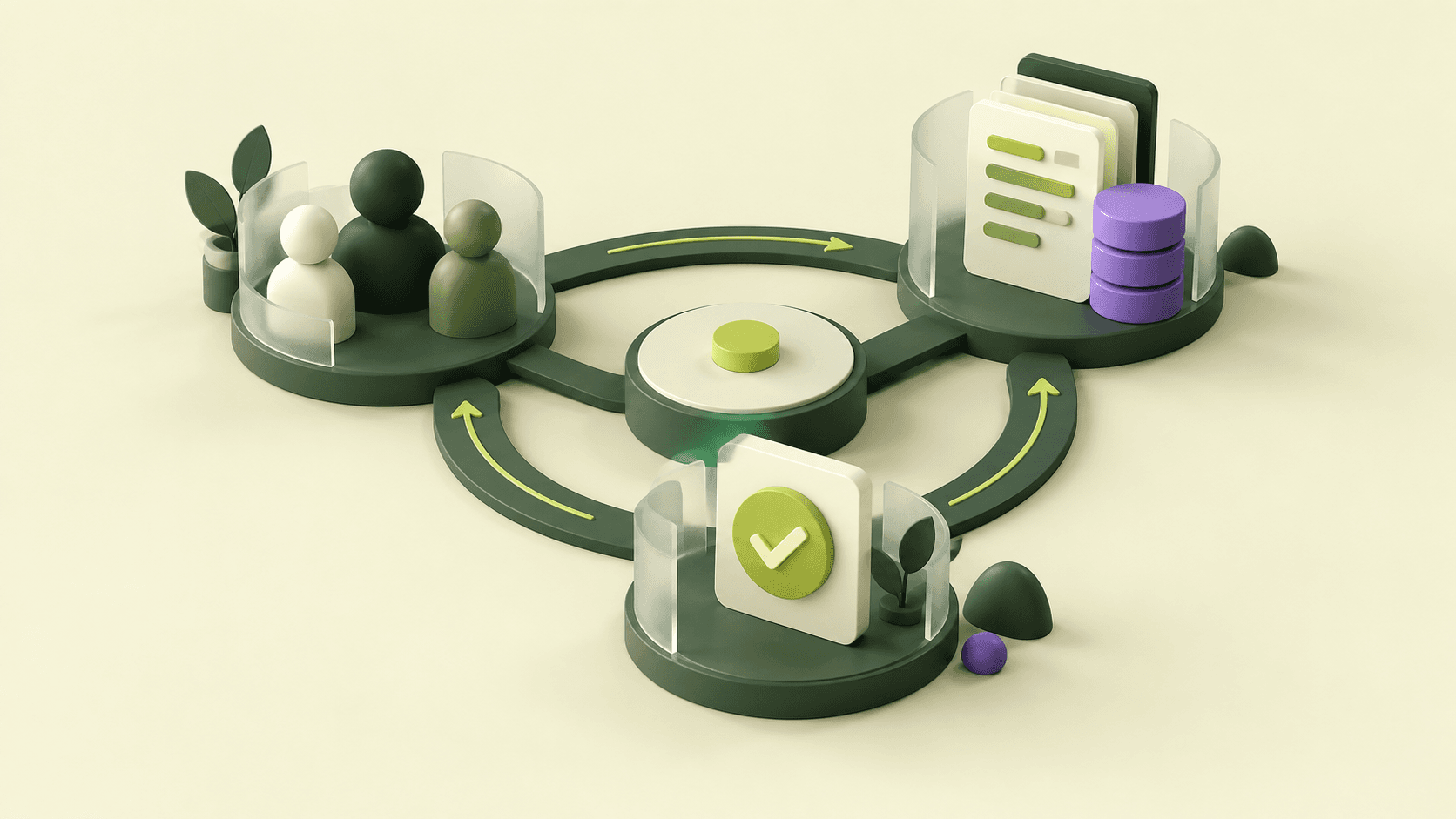
Test one workflow from customer signal to follow-up. Require the seller to review the meeting brief, the service agent to review the knowledge answer and the marketer to verify consent. Record suggestions that users accept, edit or reject, and examine whether CRM records become more complete.
Collaboration improves when Outlook, Teams and CRM show the same customer evidence and next action. It deteriorates when employees copy generated text without a source or create parallel tasks. Management should define which system owns customer history and who closes a proposed action. February's releases make automation easier to reach; they do not remove responsibility for data quality and professional judgement.
Before wider rollout, run the same customer scenario across all three work surfaces. Verify that meeting notes point to the correct account, the service answer names an approved knowledge source and a consent change is visible to the next role. Record the time and owner of every handover. When a user must copy information manually, treat that step as a process exception. This test provides analysis of the data chain and concrete evidence of where role-based AI actually supports collaboration.
Sources
Microsoft Dynamics 365 Blog, “Microsoft Copilot for Sales and Copilot for Service are now generally available,” 1 February 2024
Microsoft Dynamics 365 Blog, “Use Microsoft Copilot for Service with your external CRM,” 19 February 2024
Microsoft Learn, “What's new archive for Dynamics 365 Customer Insights - Journeys,” February 2024 update
Join the discussion
Where in your sales process do you spend the most time on manual follow-up? Share your experience.