Article content
In briefShow moreShow lessMicrosoft announced ten Dynamics 365 agents and a forthcoming public preview of autonomous capabilities in Copilot Studio.
- Microsoft announced ten Dynamics 365 agents and a forthcoming public preview of autonomous capabilities in Copilot Studio.
- The agents addressed sales, service, finance and supply-chain tasks, but the full group was not generally available on 21 October.
- More independent action required explicit authority, logging, test cases and human checkpoints.
From answering questions to acting in systems
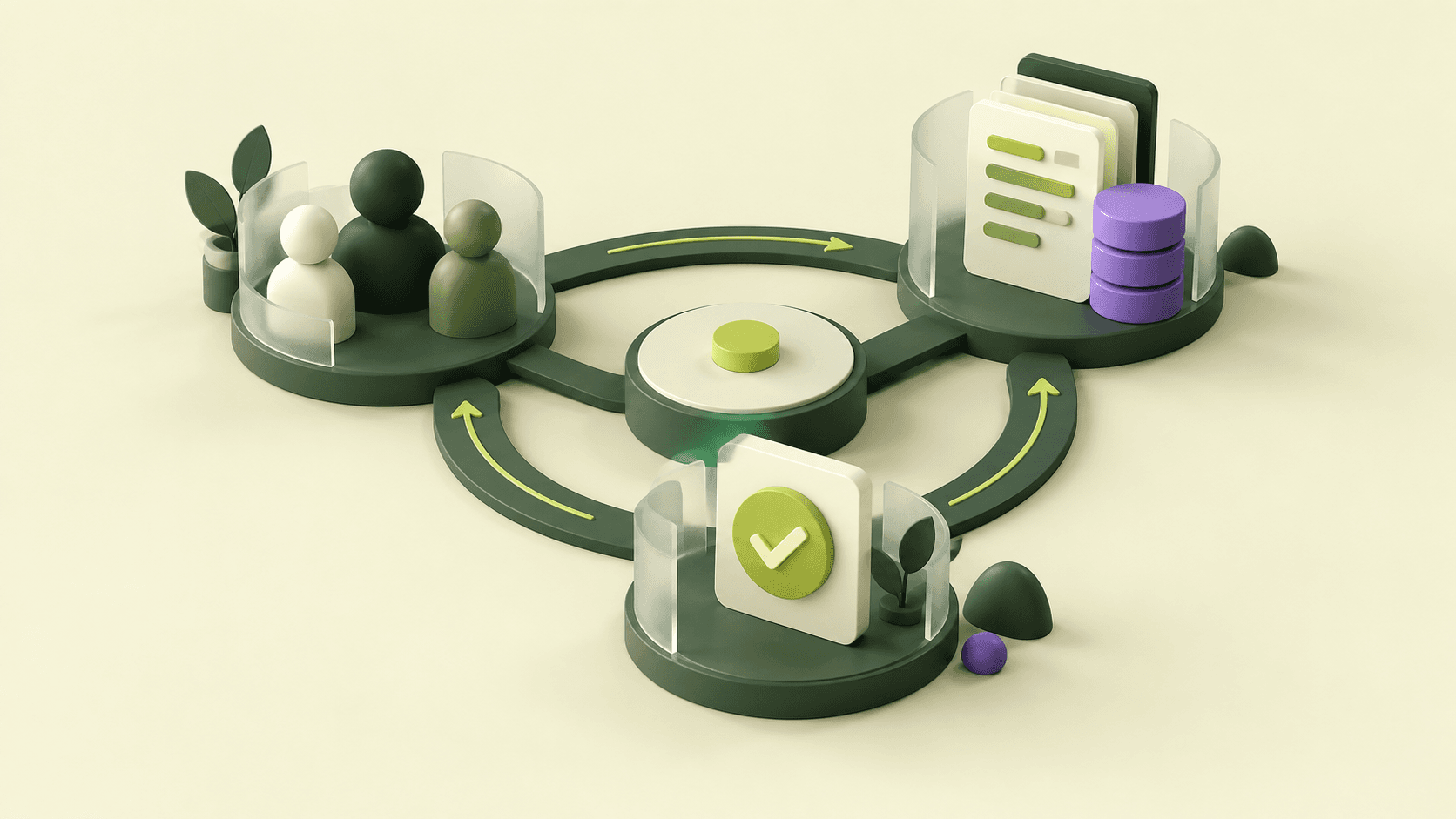
Microsoft described agents as systems that could carry out defined business tasks on behalf of people. Examples included qualifying sales leads, interpreting customer intent, maintaining knowledge, following up with suppliers and reconciling finance records. Copilot Studio was set to gain triggers and dynamic planning that allowed an agent to select and complete several steps.
The announcement was a product plan with different availability states. Building autonomous agents in Copilot Studio was scheduled for public preview in November. The ten Dynamics 365 agents had their own timelines and did not constitute one package available for routine production use. Assessment therefore had to follow the specific agent and its status in the customer’s environment.
The market shared both enthusiasm and uncertainty
Axios described agents as a possible next step beyond chat-based assistants while noting that greater autonomy increased risk. Earlier that month, Forrester had warned of a market characterised by substantial potential, unclear definitions, implementation complexity and possible harm. Both perspectives challenged the assumption that the word “agent” by itself indicated a mature product.
OpenAI’s experimental Swarm project showed a parallel technical direction: small agents with instructions and tools could hand work to one another. OpenAI explicitly labelled the project educational and experimental rather than a supported production product. This provided a useful contrast with the commercial announcement and showed that orchestration remained an area of active exploration.
Authority had to be as specific as the task
When software only proposed text, a person could intervene before any action. An agent that sent a message, updated a case or contacted a supplier required explicit authority. Teams needed to define the data an agent could read, the actions it could perform, financial or risk limits, and the conditions that transferred the case to a person.
Testing had to cover more than successful examples. Organisations needed cases with missing data, conflicting instructions, unexpected customer replies and unavailable systems. Logs had to reveal which sources, decisions and tools led to an action. Without this traceability, correcting failures and assigning accountability would be difficult.
The October announcement marked a clear change in Microsoft’s business applications, but primarily began new previews and phased releases. A safe pilot needed one owner, one bounded outcome and an explicit stopping point. Autonomy could expand only after the organisation had demonstrated quality and control.
The organisation also had to decide who monitored an agent after launch. Changes in data, process or model could affect outcomes even when the agent configuration was unchanged. Ongoing checks, exception thresholds and a named service owner were therefore part of the solution.
Sources
Microsoft: New autonomous agents, 21 October 2024
Forrester: The state of AI agents, 4 October 2024
OpenAI: Swarm experimental agent orchestration framework, October 2024
Axios: The era of AI agents is just getting started, 21 October 2024
Further reading
Read more: What is Copilot Studio?
Join the discussion
What would you investigate first before using this? Share your questions or experience in the discussion.