Article content
In briefShow moreShow lessMicrosoft Fabric became generally available on 15 November.
- Microsoft Fabric became generally available on 15 November.
- The new Planner was announced for 2024 and had not completed its rollout in November.
- Loop became generally available, while Copilot Studio brought custom assistants and workflows together.
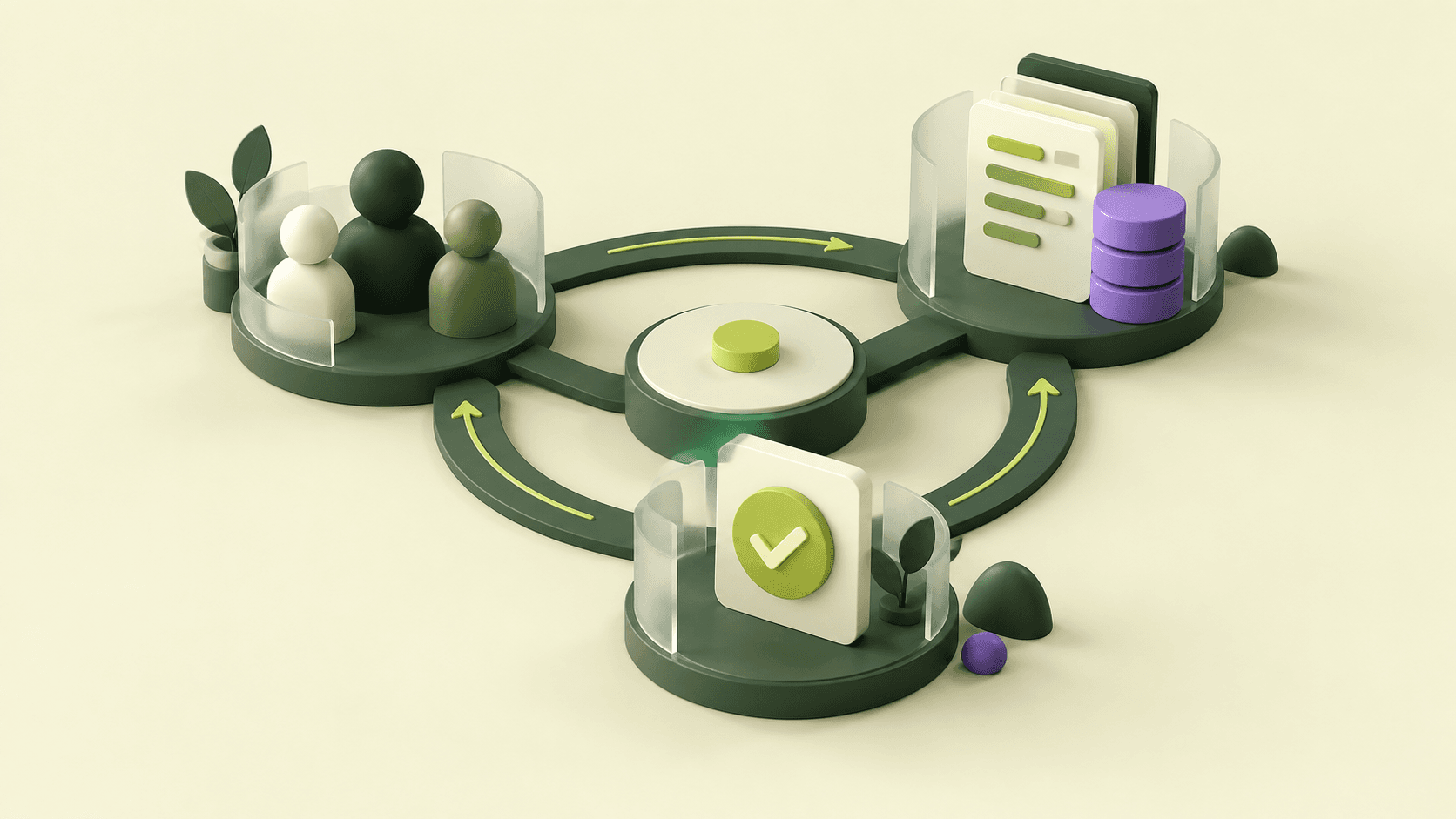
- Shared work surfaces require clear owners for data, tasks, and automated actions.
Fabric moved from preview to general availability
Microsoft made Fabric generally available at Ignite on 15 November. The platform brought data integration, engineering, warehousing, data science, real-time analytics, and Power BI together around OneLake. The November Power BI update also presented Copilot in preview for creating report pages and narrative summaries, alongside a new DAX query view.
For analytics leaders, a shared platform means fewer technical boundaries but no reduction in governance needs. A Power BI measure still requires a business definition and owner. Data moved or transformed in Fabric needs documented lineage, refresh cadence, and access. An AI-generated summary must be checked against the visual and model before it becomes decision material.
The DAX query view can make it easier to investigate and test calculations before building a visual. This creates a clear quality gate: the team can retain known control queries for important measures and run them before a change proceeds. The goal is traceable analytics, rather than the largest number of automatically created report elements.
Planner presented a roadmap for tasks and projects
Microsoft announced a new Planner intended to combine To Do, Planner, and Project for the web in one experience. The Teams version was planned from early 2024, followed by a web experience later that year. Boards, timelines, sprint planning, workload, and goals were intended to cover both simple tasks and larger projects. In November, this was a roadmap for project managers to assess, not a completed migration.
Planning should begin with the information model: which tasks, plans, and projects should move, who owns them, and which reports or integrations depend on the current solution? A unified interface does not automatically remove duplicates or unclear accountability. A pilot can monitor time spent collecting status, missing owners, and tasks duplicated across plans.
Before migration, the team should also export an inventory of active plans, integrations, and report subscriptions. It provides a control basis for finding missing tasks and users after the move, and for retiring old work surfaces only after their dependencies have been handled.
Loop and Copilot Studio extended the collaboration surface
The Loop app became generally available for Microsoft 365 work accounts. Workspaces and shareable components could keep project content together across apps. Microsoft also presented Copilot Studio as a tool for customising Microsoft 365 Copilot and building standalone copilots with connectors and actions against business systems.
This connects collaboration and automation more closely. When a component can appear in several places and a copilot can perform an action, the team needs to know which view is authoritative and who can change the workflow. Before an automated action enters production, it should be tested with realistic access roles, expected exceptions, and a simple reversal plan.
The connection should be tested as one real delivery. A project team might update its plan in Planner, share decision material in Loop, and monitor an agreed measure in Power BI. The test should reveal whether task owner, definition, and access follow the information across surfaces, and whether a change reaches the correct recipients at the correct time.
The business case must measure more than availability
Ahead of the November launch, Forrester recommended a traditional business case for Microsoft 365 Copilot while noting that time saved does not automatically become a cash benefit. The same applies to Fabric, Planner, Loop, and Copilot Studio together. Leaders should select a few workflows, measure quality and time before and after, and record which part of the outcome came from better data, a clearer process, or AI assistance. The results should be assessed by the project owner, data owner, and employees performing the work.
Sources
Microsoft, 15 November 2023
Microsoft 365, 15 November 2023
Microsoft Power BI, 15 November 2023
Forrester, 25 October 2023
Join the discussion
Which experience from your own organisation is most relevant to this story? Share what you learned.