Article content
In briefShow moreShow lessThe digitalization methodology consists of four phases: insight and initiation, implementation, integration, and management.
- The digitalization methodology consists of four phases: insight and initiation, implementation, integration, and management.
- During the discovery phase, interviews, workshops, and mapping of customer journeys and processes are conducted to define objectives, needs, and proposed solutions.
- The method covers discovery and initiation, implementation, integration and ongoing management.
The story
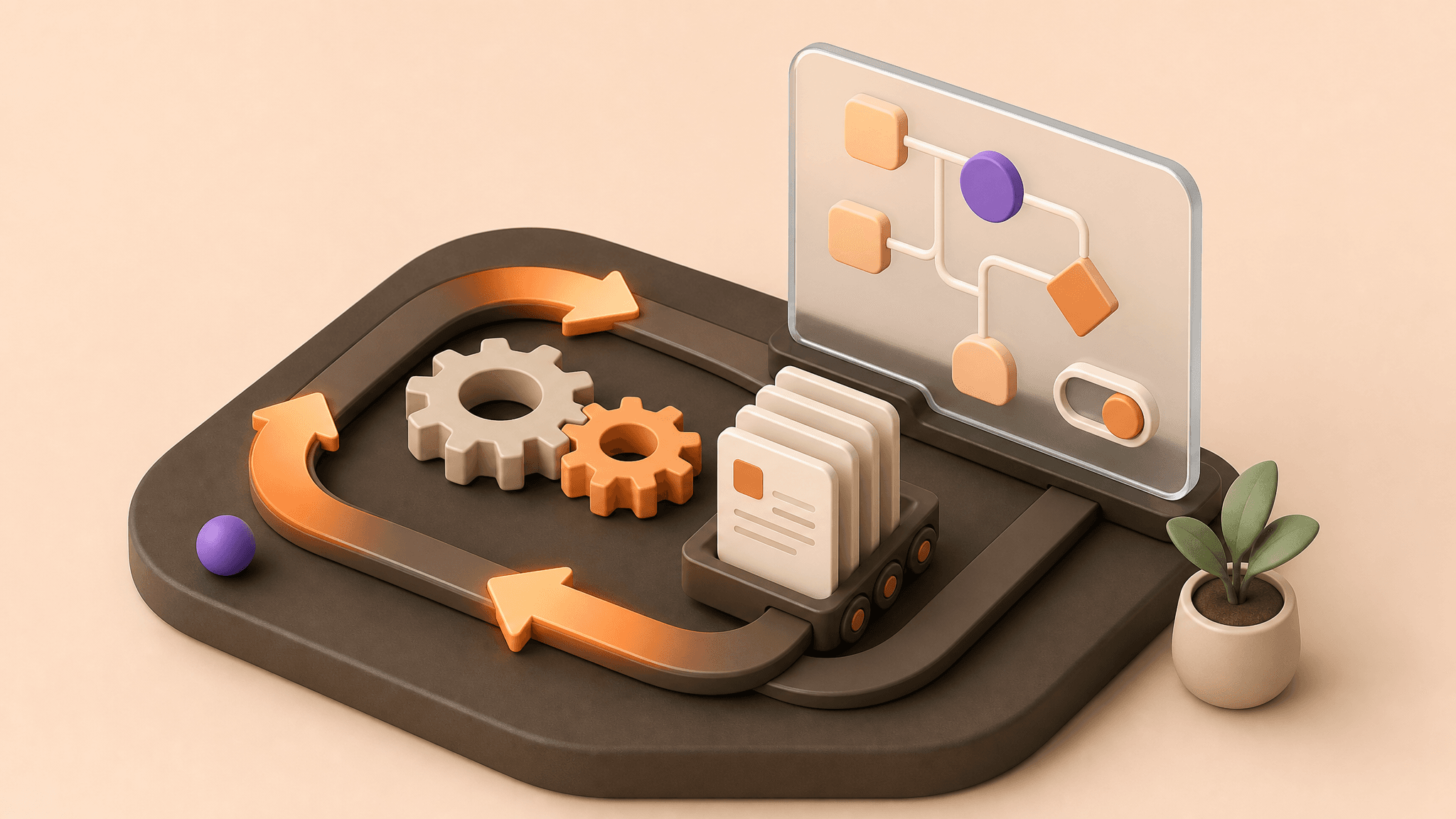
The digitalization methodology consists of four phases: insight and initiation, implementation, integration, and management.
What this means for the work
During the discovery phase, interviews, workshops, and mapping of customer journeys and processes are conducted to define objectives, needs, and proposed solutions.
The implementation phase includes system configuration and customization, data migration, testing, quality assurance, and targeted user training.
The demonstration or announcement describes platform capabilities; it does not show that every organisation will obtain the same result. Forrester reported high CRM adoption but low overall satisfaction in August 2023, a useful counterweight when assessing new features.
A 2022 Forrester analysis linked weak CRM outcomes to unclear strategy, insufficient governance and poor change management. Technology has to be tied to defined processes, roles and outcomes. Training and follow-up after launch are part of the implementation.
A bounded trial is often more informative than a long feature list. Leaders can choose one process, agree what data must be recorded and measure whether the work becomes easier or more accurate. Integration, access control and long-term process ownership should be decided at the same time.
Sources and perspectives
Primary source: Prosjektledernes tips til prosjektsuksess
Forrester: High CRM Adoption But Low Satisfaction (15 August 2023)
Forrester: Poor Change Management Kills CRM Success (3 October 2022)
Forrester: Knowing When To Migrate To An Industry CRM (26 April 2024)
Practical follow-up
The method covers discovery and initiation, implementation, integration and ongoing management. Needs and working processes are mapped first. The solution is then built and tested, systems are connected, and the organisation follows up adoption and further development over time.
Join the discussion
How do you make sure the next colleague has the information they need? Share a routine that works well.